Table of Contents
Introduction
US AI regulation is becoming a defining issue in 2025. As AI becomes embedded in search engines, schools, healthcare, and consumer apps, the need for clear and enforceable laws is no longer optional—it’s urgent.
This in-depth guide explores everything you need to know about US AI regulation, from federal and state legislation to real-world cases, ethical debates, and practical next steps.
Disclaimer: This is educational content, not legal advice.
Why the Push for AI Regulation Now?
- The AI industry is growing faster than policymakers can react.
- Minors are being exposed to unmoderated AI tools.
- AI is shaping decision-making in critical areas—without oversight.
In short: US AI regulation is racing to catch up with reality.
Federal Legal Framework
COPPA: Still Relevant, But Limited
The Children’s Online Privacy Protection Act (COPPA) lays a basic foundation but fails to cover AI-generated content or behavior-based profiling.
The FTC’s Broader Interpretation
The Federal Trade Commission (FTC) is now using Section 5 to prosecute AI-related deception and emotional manipulation—expanding the scope of US AI regulation.
Key Bills Driving Regulation
Kids Online Safety Act (KOSA)
KOSA could reshape how platforms treat underage users—mandating safety by design and yearly risk disclosures.
Protecting Our Children in an AI World Act
This bill makes it illegal to possess or distribute AI-generated child sexual abuse material (CSAM), strengthening US AI regulation on digital child safety.
State-Led Innovation in AI Law
Texas: SB20
Requires:
- Age verification
- Disclosure of AI use
- Parental control features
Texas is setting a precedent for US AI regulation on the state level.
California & Others
States like California and New York are experimenting with AI labeling mandates and safety scorecards. You can follow these updates via the Enough Abuse Campaign.
How US AI Regulation Affects Education
Classroom Tools Under Scrutiny
As AI-powered tutoring, writing tools, and language apps enter classrooms, US AI regulation is now expanding into K-12 education.
- Are these tools safe for minors?
- Is the data collected being monetized?
- Do teachers understand the ethical risks?
States like Illinois and Massachusetts are drafting guidelines for AI in schools, including:
- Opt-in parental consent
- Review boards for AI curriculum integration
- AI transparency policies for edtech vendors
Ethical Dimensions of AI Law
Harm and Responsibility
US AI regulation must answer:
- Can an AI be held responsible for harm?
- If not, who is liable—the developer or the host platform?
- Where’s the line between free speech and algorithmic manipulation?
The Privacy vs. Safety Debate
Current US AI regulation efforts are being shaped by privacy advocates who warn that over-regulation could create surveillance states, especially if facial recognition and biometric age gates become standard.
Enforcement in Action: Case Studies
- Replika AI banned for suggestive content with teens
- ChatGPT jailbroken into harmful “DAN” persona
- Open-source image generators used to create CSAM-like content
- AI apps impersonating school counselors or therapists
Each case strengthens the call for firm US AI regulation and rapid-response enforcement models.
Open Source, Big Tech & Compliance
Open-Source Developers
Do open-source contributors face legal risk under US AI regulation? Possibly—unless safe harbor protections are included in future legislation.
Big Tech’s Shifting Strategy
- OpenAI added stricter filters and user disclosures
- Google now auto-labels AI content in Search and Gmail
- Meta is restricting AI content recommendations to verified adult users
Cross-Border Pressure: Europe vs. U.S.
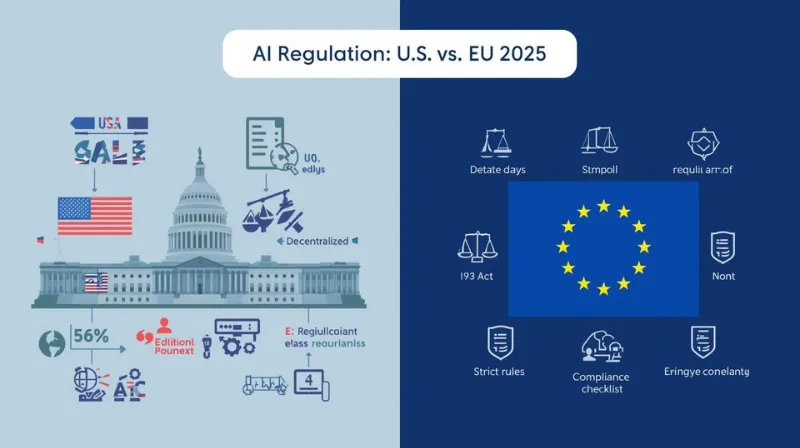
The EU AI Act is more centralized and preventative, while US AI regulation is largely reactive and decentralized.
Companies operating internationally will need dual compliance strategies to avoid fines and blacklisting.
New Section: The Future of US AI Regulation (2026+)
What’s Coming?
- National AI Age Verification Law
- Standardized AI labeling for all generative content
- Centralized U.S. Office of AI Oversight (proposed in 2025)
- Developer Liability Shield for open-source AI
- National Registry of Approved Educational AI Tools
Expect significant changes by mid–2026 that will affect product design, VC investment, and platform growth strategy.
What This Means for You
For Parents
- Look for COPPA and KOSA-compliant apps
- Ask schools which AI tools they use and how they’re vetted
- Monitor AI interactions through device-level controls
For Developers
- Use this checklist: Ai Tools for Entrepreneurs Guide
- Build with compliance in mind: AI‑Based Business from Home Guide
- Include:
- API restrictions
- Logging systems
- Clear moderation flowcharts
For Tech Leaders & Founders
- Factor regulation into your roadmap
- Prepare for investor due diligence on ethics & compliance
- Use AI auditing frameworks like NIST AI RMF
FAQs
What is the current state of US AI regulation?
It’s a combination of federal, state, and agency-driven efforts—soon to be consolidated into major federal bills.
Are schools affected by AI laws?
Yes, and more regulations are coming. AI use in schools will require transparency and parental involvement.
Can AI be legally “liable”?
Not yet—but legal frameworks may evolve toward holding developers or providers accountable.
Where can I track US AI regulation progress?
Recap & Next Steps
- US AI regulation is growing fast—especially around children and education
- States and federal agencies are racing to close safety gaps
- Compliance is no longer optional: it’s a growth strategy
✅ Next Steps:
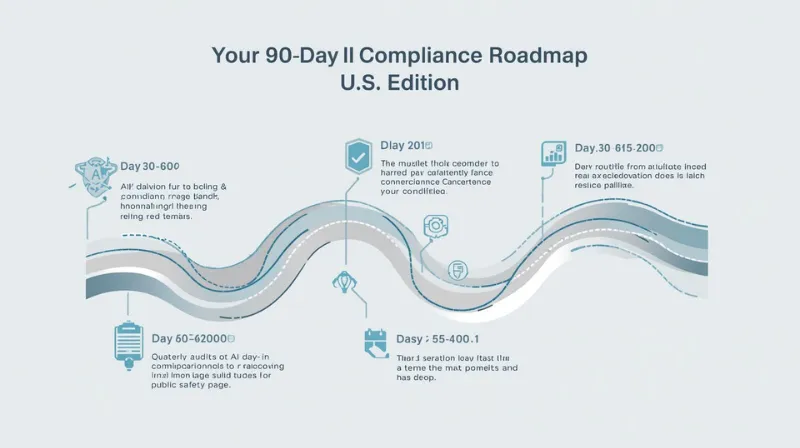
- Audit your product’s age filters and disclaimers
- Track KOSA and FTC updates monthly
- Review AI transparency and logging practices
- Talk to schools or parents using your AI tools
- Bookmark our guide: AI Revolution 2025 Invisible AI Daily Life