Beyond the Budget: How Global Events & Fractional Investing Shape Your Personal Finance
Beyond the Budget: How Global Events & Fractional Investing Shape Your Personal Finance
Table of Contents
Disclaimer: This is educational content, not financial advice.
Introduction: Why Your Personal Finance Is No Longer Isolated
For decades, classic advice stayed the same: budget, save, pay down debt. That still matters—but it misses a modern truth. In a hyper-connected world, personal finance lives downstream from global shocks: a central-bank decision on the other side of the planet, a conflict that rattles energy markets, or a supply-chain bottleneck that lifts prices at your local store. Understanding those links doesn’t make you a macro trader—it simply makes your personal finance plan more resilient.
This guide shows how global events ripple into everyday money choices—and how tools like fractional investing can expand access to diverse assets once reserved for institutions. You’ll learn practical ways to map macro forces to micro decisions, integrate new asset types thoughtfully, and keep behavior aligned with long-term compounding.
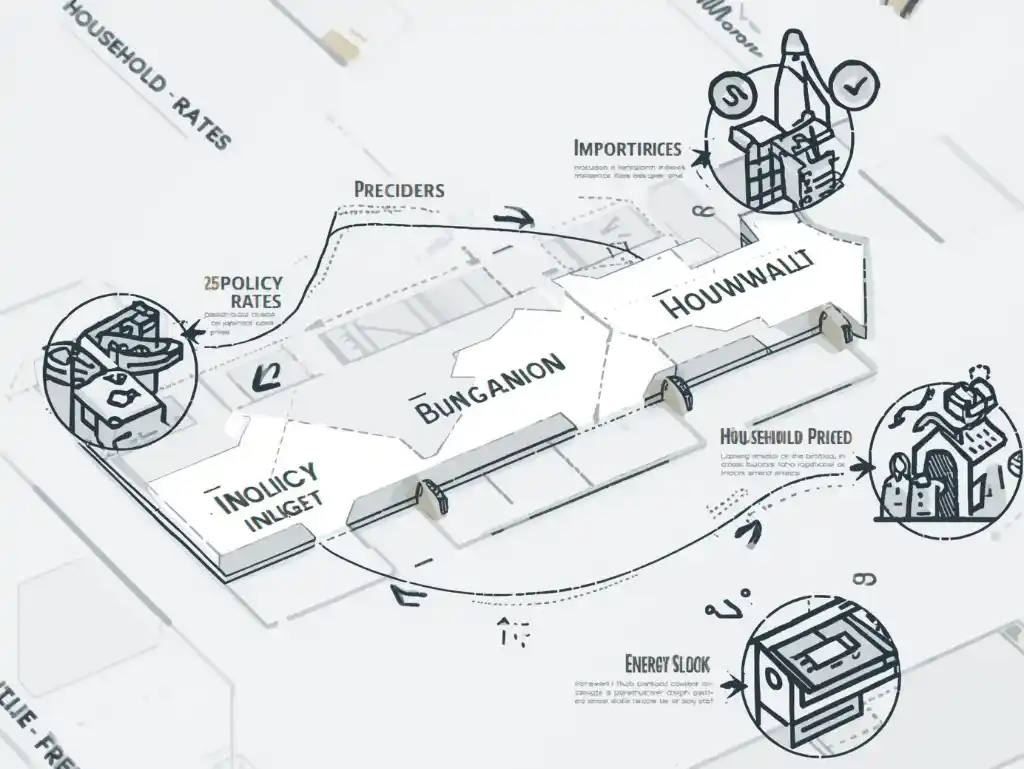
The Global Ripple Effect: From Headlines to Household Cash Flow
Macroeconomics shapes micro outcomes. Here’s how the dominoes often fall into your personal finance life:
Inflation → Interest Rates → Borrowing Costs When inflation accelerates in major economies, central banks often raise policy rates. That can raise mortgage rates, personal-loan APRs, and credit-card costs—tightening personal finance cash flow.
Trade Policies & Sanctions → Import Prices & Variety Tariffs or export restrictions feed into higher prices or fewer choices on shelves, reshaping household budgets and discretionary spending.
Energy & Commodity Shocks → Utilities, Transport, and Food Oil, gas, grain, and metals are embedded in everything. Price spikes can lift utility bills, airfare, groceries, and renovation costs—line items your personal finance plan must absorb.
Currency Moves → Trips, Tuition, and Tech A stronger dollar might lower the cost of imported electronics for some buyers, while a weaker local currency can raise the price of tuition abroad or international travel—another personal finance planning lever.
Employment Cycles → Income Stability Global recessions increase job uncertainty. Building buffers in your personal finance plan helps you ride out hiring freezes or uneven freelance demand.
Quick Case Snapshots (cause → effect)
Tight monetary policy → higher bond yields, pricier mortgages → refinance decisions and housing affordability in personal finance planning.
Geopolitical tension → energy/routing disruptions → higher transport and food costs → budget re-allocations.
Takeaway: You can’t control the global shock, but you can design personal finance guardrails that flex with it.
Macroeconomics → micro cash flow
The New Frontier: Fractional Investing Meets Personal Finance
Fractional investing lets individuals buy slices of high-value or previously inaccessible assets—think private credit funds, commercial real estate, farmland, or even art/music royalties—through regulated platforms or vehicles. For personal finance, this can:
Lower minimums so you can test an idea without committing a huge lump sum.
Increase diversification beyond public stocks and bonds.
Match goals (e.g., income, inflation sensitivity, or long duration) more precisely.
How fractional investing typically works
A platform or fund acquires/structures the asset.
Investors buy small interests (shares/units).
Cash flows (rents, coupons, royalties) and/or appreciation accrue to holders net of fees.
Liquidity varies: some offerings are tradable; others have quarterly windows or multi-year lockups.
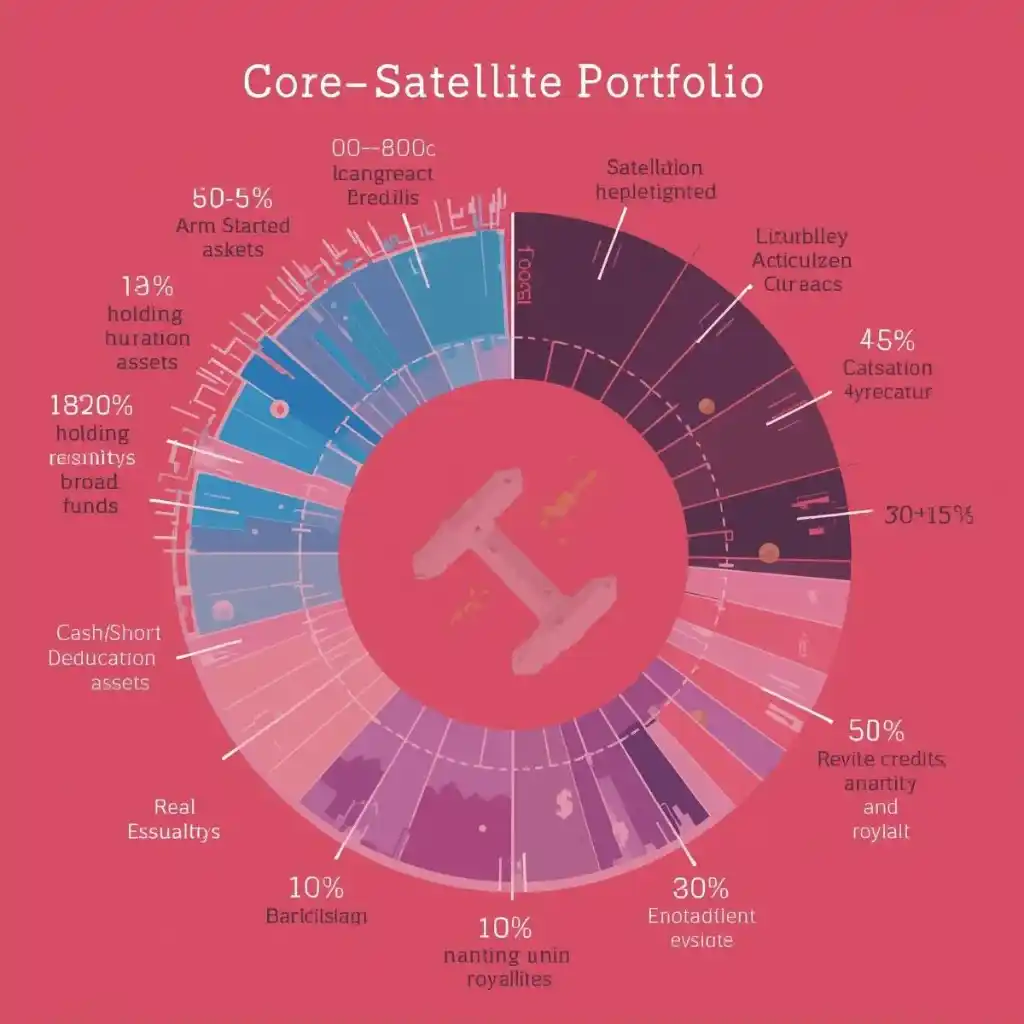
Where it fits in personal finance: as a satellite around a low-cost, diversified core (broad stock/bond funds), not a replacement for it.
Fractional fits as a small, purpose-built satellite
Farmland: A Useful Example—Without Romanticizing It
Many investors cite farmland for its potential inflation sensitivity (crop prices and land rents can adjust), tangible collateral, and historically modest volatility. In a personal finance context, that might translate to:
Role: an inflation-aware satellite sleeve for diversification.
Return drivers: land appreciation, rental income/crop share, and operational efficiency.
Risks: weather/climate events, commodity price swings, tenant risk, water rights, and liquidity (exits can be slow).
Diligence musts: who manages the land, how tenants are vetted, what insurance exists, how yields are measured, and how fees reduce net returns.
You don’t need to chase a specific percentage; you need to understand how and why an asset might complement your personal finance goals.
Good habits > perfect forecasts
Other Fractional Paths (and How They Map to Personal Finance)
Private Credit (direct lending/BDCs/interval funds): Target: income. Risks: credit quality, covenants, manager skill, and liquidity gates. Personal finance role: income sleeve, sized modestly.
Commercial Real Estate (CRE) / Infrastructure: Target: income + potential appreciation. Risks: interest-rate sensitivity, tenant concentration, leverage. Personal finance role: diversifier—watch debt levels and vacancy assumptions.
Venture/Private Equity Access Funds: Target: high growth, long horizon. Risks: illiquidity, dispersion, vintage timing. Personal finance role: only if your time horizon and risk tolerance are strong.
Fractional Shares of Public Equities/ETFs: Target: accessibility and automatic rebalancing. Risks: market beta, behavior risk. Personal finance role: core building blocks—still the simplest diversifier.
Rule of thumb for personal finance: satellite positions work best when they solve a specific need (inflation, income, low correlation) and when you truly understand the lockup, fees, and risks.
Beyond the Numbers: The New Psychology of Money
Success isn’t just math—it’s behavior. With inflation elevated and home ownership costly in many places, some savers (especially Gen Z) tilt toward “soft saving”—prioritizing experiences (the “concert economy”) while saving enough to feel safe.
Instead of scolding this shift, reframe it inside personal finance:
Experience Silo (Rules-Based Fun): Allocate a fixed monthly % to experiences; spend it guilt-free.
Core Compounding: Automate contributions to your “never-touch” core (broad index funds/retirement accounts).
Optional Satellite: Test small fractional investing sleeves that align with your values or curiosity—cap the size, review annually.
Behavioral Safety Rails: Use automation, default increases after raises, and “speed bumps” (cool-off periods before large buys).
The aim is a personal finance plan that’s livable today and powerful tomorrow.
Build a Resilient Plan (Step-by-Step)
Clarify goals by horizon: 0–2 years (cash), 3–7 (balanced growth), 8+ (growth and select satellites).
Map macro to budget: Label sensitive line items (mortgage resets, energy, food). Add a 5–10% “macro buffer.”
Automate the core: Set monthly auto-invest to diversified funds in tax-advantaged accounts first (where available).
Right-size emergency fund: 3–6 months expenses; 9–12 for freelancers.
Risk layers: Know your tolerance and capacity; ensure personal finance choices match both.
Consider satellites carefully: If using fractional investing, start tiny (1–5% of portfolio per idea).
Diversify within satellites: Avoid single-asset/platform concentration.
Stress test annually: What if rates +2%? What if income −20%? What if inflation +3% for two years?
Tax placement: Put tax-inefficient assets in tax-advantaged accounts when possible; note K-1s or foreign withholding.
Currency awareness: If you earn/spend in different currencies, hedge or balance exposures.
Fee discipline: Track expense ratios, performance fees, and platform charges—net returns rule personal finance outcomes.
Rebalance: Once or twice a year; sell what drifted above target and top up what fell below.
Due Diligence for Fractional Investing (Plain-English Checklist)
Before you buy a slice of anything, walk through this personal finance checklist:
What is the asset? How does it make money? Who pays you and when?
Who is the manager? Track record, skin in the game, and reporting cadence.
What are total fees? Upfront, ongoing, performance—and where they’re disclosed.
Legal & tax: K-1s, PFIC issues, withholding, and your filing obligations.
Platform risk: Custody, audits, cybersecurity, and segregation of client funds.
Exit scenarios: How do you get out, and at what cost/timeline?
If you can’t explain the deal in one paragraph, it doesn’t belong in your personal finance plan.
Practical Allocations: Core–Satellite Without Overcomplicating
Here are example frameworks (illustrative only):
Foundations First (Conservative): 70–80% broad stock/bond index funds (low cost) 10–15% cash/short-term Treasuries 5–10% satellites via fractional investing (e.g., real assets/income) Personal finance goal: stability, simple rebalancing.
Balanced Curiosity (Moderate): 60–70% core index funds 10–15% cash/short duration for optionality 15–25% satellites (mix of income + inflation-aware ideas) Personal finance goal: learn with small stakes while compounding.
Focused Themes (Advanced): 50–60% core 10–15% cash 25–40% satellites across multiple platforms/assets Personal finance goal: higher tracking error; requires skill/discipline and strong risk controls.
Rule: The more complex your satellites, the simpler your core. Complexity taxes personal finance attention.
Risk Map: What Can Go Wrong (and How to Prepare)
Liquidity Mismatch: Needing cash before a lockup ends. Mitigation: Keep adequate emergency funds and laddered liquid assets.
Platform/Custody Risk: Operational failure or poor controls. Mitigation: Favor regulated providers with third-party audits and clear segregation of assets.
Valuation Opacity: Infrequent or subjective marks. Mitigation: Smaller position sizes; diversify across strategies.
Risk management is not a detour from personal finance; it is personal finance.
Behavior Playbook: Make Good Habits the Default
Automation over willpower: Auto-invest on payday; raise contributions after each raise.
Friction where it hurts you: 24-hour cool-off before non-core buys.
Track only what matters: Savings rate, allocation drift, debt costs—not daily price noise.
Narratives audit: Once a quarter, write why each position exists. If the “why” fades, size down or exit.
Monitoring the Macro (Without Becoming a Day-Trader)
You don’t need to guess every interest-rate move. Build a simple personal finance dashboard:
Inflation & Rates: Are they trending up or down? Adjust fixed-rate vs. variable decisions accordingly.
Employment: If layoffs rise in your industry, increase cash buffer.
Energy/Commodity Signals: Rising energy can mean budget shifts; review recurring bills and efficiency upgrades.
Policy Changes: Tax credits, retirement-plan limits, or contribution caps—optimize annually.
A quarterly 30-minute review keeps your personal finance plan aligned with reality.
Frequently Asked Questions (FAQs)
Q1) Is fractional investing suitable for beginners? It can be—in small doses. Start after you’ve built your core portfolio and emergency fund. In personal finance, satellites should be sized so mistakes don’t derail your plan.
Q2) How much should I allocate to satellites? Common personal finance ranges are 5–25% depending on experience and liquidity needs. Begin at the low end; scale slowly.
Q3) What about taxes? Read offering documents for forms (e.g., K-1), foreign withholding, and reporting. Place tax-inefficient assets in tax-advantaged accounts when possible (where available). Consult a qualified tax professional.
Q4) What’s the biggest mistake to avoid? Confusing access with suitability. Just because you can buy a slice doesn’t mean it fits your personal finance goals or timeline.
Q5) How often should I rebalance? Once or twice a year is enough for most personal finance plans—unless allocations drift wildly or your life situation changes.
Q6) What if a platform freezes withdrawals? That’s a known risk with some private/interval vehicles. Keep adequate liquid reserves and avoid over-concentration on one platform.
Q7) Can I combine experiences (“soft saving”) with long-term goals? Yes. Create a rules-based experience bucket while automating core contributions—this makes your personal finance plan livable and durable.
Build a Plan That Works in the Real World
Your budget, emergency fund, and low-cost core remain the engine of personal finance. Global events will keep happening—and fractional access will keep expanding what’s possible. The edge comes from design: matching time horizon to asset, respecting liquidity, and automating good behavior so compounding can do its quiet work.
Action checklist (recap):
Track inflation/rates, and adjust borrowing/refinancing decisions.
Keep a robust cash buffer; automate core investing.
Add fractional satellites only when they solve a clear need—and start tiny.
Review fees, liquidity rules, and exit paths before you buy.
Rebalance annually and stress test your plan.
Final word: This is educational content, not financial advice. But if you treat personal finance as a living system—aware of global ripples and disciplined with implementation—you’ll give yourself the best odds of thriving through whatever the headlines bring next.
Cookie Consent
We use cookies to improve your experience on our site. By using our site, you consent to cookies.
This website uses cookies
Websites store cookies to enhance functionality and personalise your experience. You can manage your preferences, but blocking some cookies may impact site performance and services.
Essential cookies enable basic functions and are necessary for the proper function of the website.
Name
Description
Duration
Cookie Preferences
This cookie is used to store the user's cookie consent preferences.
30 days
These cookies are needed for adding comments on this website.
Name
Description
Duration
comment_author
Used to track the user across multiple sessions.
Session
comment_author_email
Used to track the user across multiple sessions.
Session
comment_author_url
Used to track the user across multiple sessions.
Session
Statistics cookies collect information anonymously. This information helps us understand how visitors use our website.
Google Analytics is a powerful tool that tracks and analyzes website traffic for informed marketing decisions.
Contains information related to marketing campaigns of the user. These are shared with Google AdWords / Google Ads when the Google Ads and Google Analytics accounts are linked together.
90 days
__utma
ID used to identify users and sessions
2 years after last activity
__utmt
Used to monitor number of Google Analytics server requests
10 minutes
__utmb
Used to distinguish new sessions and visits. This cookie is set when the GA.js javascript library is loaded and there is no existing __utmb cookie. The cookie is updated every time data is sent to the Google Analytics server.
30 minutes after last activity
__utmc
Used only with old Urchin versions of Google Analytics and not with GA.js. Was used to distinguish between new sessions and visits at the end of a session.
End of session (browser)
__utmz
Contains information about the traffic source or campaign that directed user to the website. The cookie is set when the GA.js javascript is loaded and updated when data is sent to the Google Anaytics server
6 months after last activity
__utmv
Contains custom information set by the web developer via the _setCustomVar method in Google Analytics. This cookie is updated every time new data is sent to the Google Analytics server.
2 years after last activity
__utmx
Used to determine whether a user is included in an A / B or Multivariate test.
18 months
_ga
ID used to identify users
2 years
_gali
Used by Google Analytics to determine which links on a page are being clicked
30 seconds
_ga_
ID used to identify users
2 years
_gid
ID used to identify users for 24 hours after last activity
24 hours
_gat
Used to monitor number of Google Analytics server requests when using Google Tag Manager