

9 Best Freelance Websites for Beginners (2025 Guide)
Educational content — not legal/financial advice.
Freelancing is booming—and choosing the best freelance websites is the difference between endless scrolling and landing consistent, fairly paid work. In this 2025 guide, you’ll find a curated list of the top platforms, who they’re best for, how to stand out, and the exact steps to optimize your profile, pitch smarter, and win projects faster. You’ll also get battle-tested checklists, proposal scripts, pricing tips, anti-scam practices, and a 30-60-90 day growth plan so you can move from “just browsing” to a repeatable pipeline.
Table of Contents
Best Freelance Websites (2025): Quick List
- Upwork — large marketplace; great for long-term, recurring clients and retainers.
External: Upwork • Upwork Academy - Fiverr — productized “gigs”; quick starts and upsells (Fiverr Pro for premium).
External: Fiverr • Fiverr Pro - Toptal — elite network (top ~3%); enterprise clients and high rates.
External: Toptal - Freelancer.com — huge volume; bid smart with tailored proposals.
External: Freelancer - Contra — no-commission, portfolio-first; strong with Gen-Z creatives.
External: Contra - PeoplePerHour — UK/EU hub; “Hourlies” (fixed services) + bids.
External: PeoplePerhour - FlexJobs — curated remote/flexible roles; subscription model reduces noise/scams.
External: FiexJobs - Guru — flexible payments (hourly/milestone/recurring) + strong niche categories.
External: Guru - SolidGigs — hand-picked leads delivered to your inbox (saves time).
External: SolidGigs
Best Freelance Websites: Upwork
Why it’s a top pick
A massive and diverse marketplace across writing, design, dev, marketing, product, analytics, and ops—ideal for building long-term clients and retainers. Upwork’s search and filtering help clients find specialists, which means niching pays.
How to stand out
- Headline: “B2B SaaS Copywriter | Case Studies + Product Pages (+18–35% CVR gains).”
- Portfolio: Pin 2–3 projects with outcomes (metrics > adjectives). Structure: Context → Constraints → Actions → Results.
- Mini-scope pitch: Restate the client’s problem in two lines. Present a 3-step plan and a realistic timeline.
- Low-risk intro: Offer a paid discovery call or 2-hour audit to reduce friction.
Micro case study
A solo designer shifted her title to “Shopify CRO Designer | Landing Pages & A/B Tests,” added 3 data-driven case studies, and switched proposals to mini-scopes. Within 6 weeks, she moved from ad-hoc fixes to two monthly retainers.
Common mistakes (avoid)
- Generic “I can do this” proposals.
- Over-promising turnaround without buffers.
- Uploading a portfolio without outcomes or your role clearly stated.
External (DoFollow)
Upwork
Upwork Academy
Best Freelance Websites: Fiverr
Why it’s a top pick
Productized services (“gigs”) convert quickly when they’re positioned well. Fiverr Pro adds validation and supports premium pricing.
How to stand out
- Three tiers: Starter / Standard / Premium—each with clear deliverables, revisions, and turnaround.
- Keywords up front: Use searchable terms in your gig title and the first 160 characters (keep it human).
- Proof: Include a short Loom explaining your process and pin 3 samples that match your gig exactly.
- Bundles: Offer add-ons (rush fee, extra concepts, strategy workshop).
Micro case study
A marketer launched three gigs (Landing Page Copy, Welcome Email Flow, Lead Magnet). With SEO’d titles and a 2-minute Loom overview, she hit 14 orders in month 1; month 2 added upsell bundles (+28% AOV).
Common mistakes
- Over-broad gigs (“I do design”).
- Pricing too low without a path to raise.
- No social proof (request reviews after delivery!).
External (DoFollow)
Fiverr
Fiverr Pro
Best Freelance Websites: Toptal
Why it’s a top pick
An elite network connecting vetted talent in dev, design, data, finance, and PM to premium clients, from startups to Fortune 500. Higher rates; fewer but larger engagements.
How to stand out
- Specialize: “Senior React + Next.js for B2B dashboards (accessibility-first).”
- Portfolio: 3 case studies with concrete constraints (scale, compliance, performance) and measurable results.
- Keep GitHub/Dribbble/LinkedIn clean, active, and consistent.
Application tips
- Practice technical screens and take-home assessments.
- Emphasize communication and stakeholder management as much as hard skills.
- Be transparent on availability and rate expectations.
External (DoFollow)
Toptal
Best Freelance Websites: Freelancer.com
Why it’s a top pick
Enormous flow of projects. Works well for beginners who master targeted bidding and quick micro-milestones.
How to stand out
- Custom plan: Reply with a 2-paragraph plan (don’t paste templates).
- Exact samples: Attach 1–2 relevant examples only.
- Micro-milestone: Offer a first deliverable in 48 hours (e.g., outline, wireframe).
- Follow-up: A single, polite follow-up 24–36 hours later wins more bids than most realize.
Common mistakes
- Bidding on everything.
- Underpricing without scope control.
- Not reading the brief fully.
External (DoFollow)
Freelancer.com
Best Freelance Websites: Contra
Why it’s a top pick
No commission model, strong community vibe, and a portfolio-first approach that suits designers, marketers, and creators—especially Gen-Z.
How to stand out
- Build a polished visual portfolio page with story-form case studies and quotes.
- Use “Projects” to present productized services (price, scope, turnaround).
- Share your Contra profile on social; collaborate with peers for cross-referrals.
External (DoFollow)
Contra
Best Freelance Websites: PeoplePerHour
Why it’s a top pick
A UK/EU hub with a dual model: bid on posted jobs or sell predefined Hourlies (fixed-scope services).
How to stand out
- Publish 2–3 Hourlies (e.g., “Technical SEO Audit—2 business days”).
- Localize language (UK spelling) and expectations; include VAT details if relevant.
- Ask for feedback after each job to accelerate ranking.
External (DoFollow)
PeoplePerHour
Best Freelance Websites: FlexJobs
Why it’s a top pick
A subscription platform with curated remote and flexible roles—filters noise, reduces scams, and surfaces quality listings.
How to stand out
- Filter by “Freelance/Contract” + your function.
- Use site resume templates and skills assessments to match listings.
- Track outreach in a simple Notion/Airtable CRM.
External (DoFollow)
FlexJobs
Best Freelance Websites: Guru
Why it’s a top pick
Flexible payment models (hourly, milestone, recurring) and well-organized niche categories. Good for “agencies of one” and small teams.
How to stand out
- Publish 1–2 recurring service plans (e.g., “Monthly SEO maintenance—8 hours”).
- Use WorkRooms to centralize scope, files, tasks, and communication.
- If you subcontract, show team capability and SLAs.
External (DoFollow)
Guru
Best Freelance Websites: SolidGigs
Why it’s a top pick
A curated lead service—hand-picked gigs are sent to your inbox. Perfect if you’re strapped for time or overwhelmed by job boards.
How to stand out
- Define 2–3 ideal client profiles (ICP) and tune filters accordingly.
- Prepare reusable proposal blocks (Problem → Plan → Proof → Next Step).
- Respond within 24 hours; speed often wins.
External (DoFollow)
SolidGigs
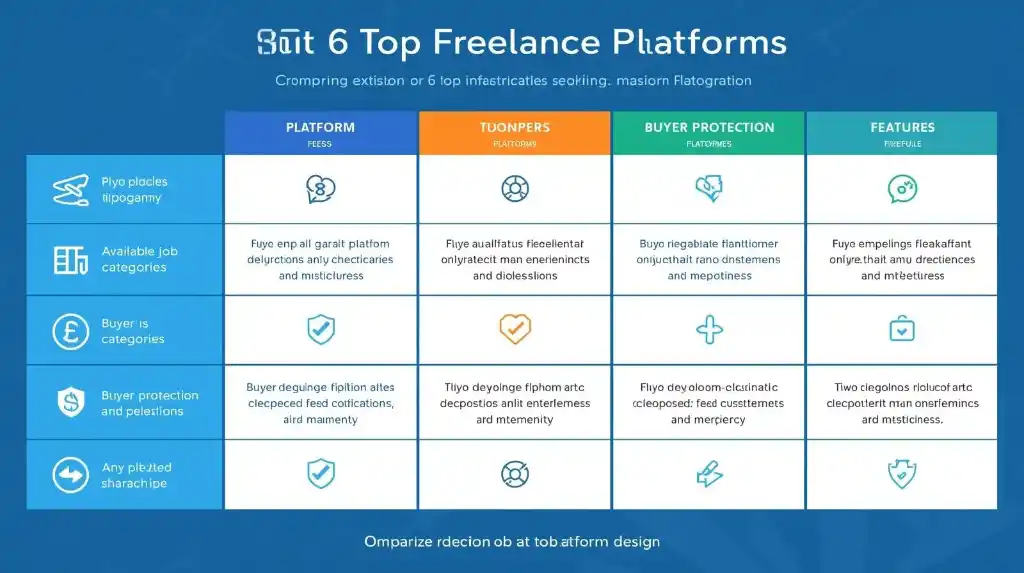
Compare Fees, Payments & Protection
Different platforms handle fees and payment protection differently. While details can change, here’s how to think about it:
- Fees: Expect platform fees (percentage or tiered). Toptal/Contra differ (vetted/no-commission). Read current fee pages before committing.
- Payment protection: Favor platforms with escrow for fixed-price work and time tracking for hourly contracts.
- Disputes: Use on-platform messaging and file delivery; summarize decisions in writing.
- Payout timing: Check release periods (e.g., clearance windows after delivery); plan cash-flow buffers.
Pro tip: Build your own client pipeline in parallel (newsletter, portfolio site) so you’re not 100% dependent on any single marketplace.
How to Choose Your First Platform (FITS + Risk)
Use FITS:
- Focus — Where your skills actually win: dev, design, content, marketing, analytics.
- Intent — Short “gigs” (Fiverr), long retainers (Upwork/Guru), vetted premium (Toptal), curated roles (FlexJobs), curated leads (SolidGigs).
- Time — Inbound (Fiverr/Contra) vs outbound (Upwork/Freelancer.com) vs curated (SolidGigs).
- Stage — New? Start where barriers are lower (Fiverr, Freelancer, Contra) then climb.
Add Risk:
- Platform dependence — Don’t let one site be your only source.
- Fee drag — Model your net income after fees.
- Scam exposure — Prefer escrow, avoid off-platform payments, trust your gut.
Profile & Portfolio: What Actually Converts
Headline formula: Role/Niche | Outcome/Proof
- “B2B SaaS Technical Writer | +20–35% demo requests.”
- “Paid Ads Strategist | ROAS 3–5x for DTC brands.”
About/Overview
Lead with a client problem you solve, the specific audiences/industries, and 3 proof points (numbers, logos if allowed, or anonymized outcomes).
Portfolio case study structure
- Context & goal → 2) Constraints → 3) Your actions → 4) Results (metrics) → 5) One lesson clients value.
Add visuals (screenshots, charts) and keep each case study scannable.
Social proof
Include 3–5 testimonials. If new, do a small paid pilot for an SMB and ask for a blurb.
Availability & SLA
State timezone, response times, and meeting windows. Boundaries improve trust.
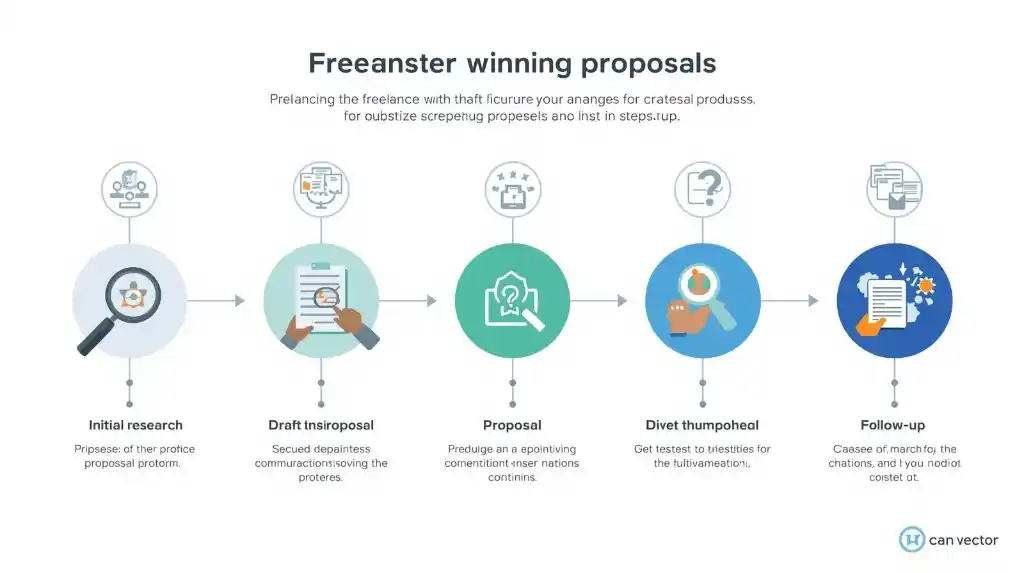
Proposals That Win: Scripts & Micro-Milestones
Subject
“Re: Landing Page Redesign for SaaS Onboarding (3-step plan)”
Open with relevance (2 lines)
“I read your brief. New users stall on step 2, and activation is flat. Here’s a tight plan to fix that in 10 business days.”
3-step mini-scope
- Map friction (analytics + 5 user interviews)
- Wireframe two variants + copy draft
- Dev-ready files, QA checklist, and A/B plan
Proof (1–2 matching samples)
“Here are two similar SaaS onboarding projects; both improved activation 14–22% in 30 days.”
Next step
“I can start with a paid discovery (2 hours) this week. Thursday 10:00 or 14:30 your time?”
Micro-milestones
- Milestone 1: Audit & summary (48 hours)
- Milestone 2: Wireframes + copy
- Milestone 3: Final assets + handoff call
Follow-up
A single, polite follow-up 24–36 hours later lifts win-rate meaningfully.
Pricing, Packages & Retainers
When to price fixed vs hourly
- Fixed: repeatable scopes, clear deliverables.
- Hourly: discovery, undefined scope, consulting, live ops.
Productized packages
- Starter: one page/ad/asset with 1 revision.
- Standard: + strategy call + 2 revisions.
- Premium: + analytics, split test, or 30-day optimization.
Retainers
Great for SEO, content calendars, ad ops, CRO, lifecycle email, analytics. Define hours, deliverables, and SLAs. Include an overage rate.
Raise rates gracefully
- Anchor on outcomes and demand.
- Give notice 30 days ahead.
- Offer options: smaller scope at current rate vs same scope at new rate.
Safety, Contracts & Scope Control
Stay on-platform for payments and messaging when possible—this preserves dispute recourse.
Use written scope: deliverables, timeline, rounds of revisions, what’s out of scope.
Change orders: define how additions are priced and scheduled.
Deposits: 30–50% upfront on new fixed projects.
Red flags: requests to work off-platform, spec work without pay, urgency with no brief, or refusal to use escrow.
Tools That Save Time (Solo & Small Teams)
- Project & docs: Notion / Google Docs / ClickUp / Asana
- Proposals & sign: PandaDoc / HelloSign
- Time & billing: Toggl / Clockify • QuickBooks / Xero / Wave
- Design & dev: Figma / Canva • GitHub / GitLab
- SEO & content: Ahrefs / Semrush • Grammarly / Hemingway
- Comms: Loom (async updates) • Slack/Teams (alerts limited)
- Scheduling: Calendly (meeting windows only)
- Storage & handoff: Google Drive / Dropbox (organized folders + versioning)
Work in public folders per client: /00-briefs, /10-working, /90-delivery, /99-archive.
KPIs & Weekly Review
Track
- Pitches sent / week (target 10+)
- Proposal win-rate (%)
- Avg. project value & gross margin
- % revenue from retainers
- Cycle time (brief → delivery)
- Client satisfaction (CSAT 1–5)
Friday review (30–45 minutes)
Wins shipped • Where estimates slipped • Pipeline next week • Capacity forecast • One friction to remove (tool, template, meeting).
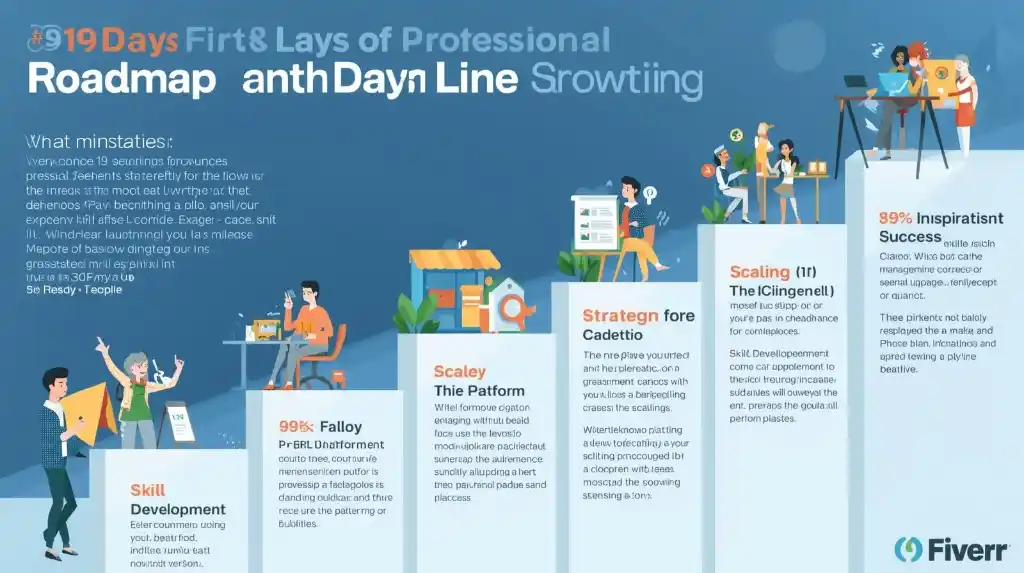
30-60-90 Day Plan
Days 1–30 (Install)
- Pick one primary platform (Upwork/Fiverr/Contra) + a secondary backup.
- Niche your profile headline and add 2 data-driven case studies (or pilot projects).
- Send 5–10 tailored proposals/week with micro-milestones.
- Create one productized offer with 3 tiers.
Days 31–60 (Refine)
- Add a second offer or bundle; test a small pricing increase.
- Build a one-page portfolio site and a simple lead magnet (e.g., checklist).
- Tighten scope templates, briefs, and revision policies.
- Aim for your first retainer.
Days 61–90 (Scale)
- Standardize SOPs (intake, delivery, QA, handoff).
- Ask for 3 testimonials and referrals.
- Add a second platform or a curated lead source (SolidGigs/FlexJobs).
- Forecast capacity and block “maker time” first.
Consistency beats intensity.
FAQs (Best Freelance Websites)
1) What are the best freelance websites for beginners?
Upwork, Fiverr, Freelancer.com, Contra, and PeoplePerHour are strong starting points. Choose based on your niche, preferred work style, and whether you want inbound gigs or active bidding.
2) Which platform is best for high rates?
Toptal if you pass vetting; Upwork can also deliver premium rates with a strong profile and long-term clients.
3) How do I avoid scams?
Keep communication and payments on-platform, use escrow/milestones, never accept off-platform payment promises, and vet client reviews/history.
4) How quickly can I land my first project?
With a tight profile and consistent outreach (5–10 tailored proposals/week), many freelancers land work in 1–4 weeks.
5) Do I need a niche to succeed?
Niching accelerates trust and conversions. You can start broad, then specialize within 30–60 days based on traction.
6) Can I work across multiple platforms?
Yes—start with one to build momentum, then add a second for diversification.
7) How many proposals should I send?
Quality beats quantity, but volume matters. Ten well-targeted proposals/week is a healthy baseline.
8) What’s the best way to set my rates?
Anchor on outcomes and scope. Offer tiered packages, keep buffers, and review pricing quarterly.
Image Suggestions (optional but recommended)
- Hero (top of article)
Alt: “Freelancer comparing the best freelance websites on a laptop in 2025” - Comparison infographic (after Quick List)
Alt: “Side-by-side comparison of the best freelance websites by fees, project types, and payment protection” - Proposal workflow diagram (in Proposals section)
Alt: “Winning freelance proposal flow from brief to micro-milestones” - 30-60-90 plan roadmap (near the end)
Alt: “Freelancer 30-60-90 day plan to scale on the best freelance websites”
Internal Link Hints (add on your site)
Link naturally to your posts on proposals, pricing, portfolio building, and client onboarding to increase topical authority and session depth.
Conclusion
The best freelance websites are powerful launchpads—but your system is the engine: a focused profile, proof-heavy portfolio, targeted proposals with micro-milestones, clear boundaries, and steady weekly reviews. Start with one platform, productize one offer, and send consistent, high-quality pitches. Momentum follows structure.